
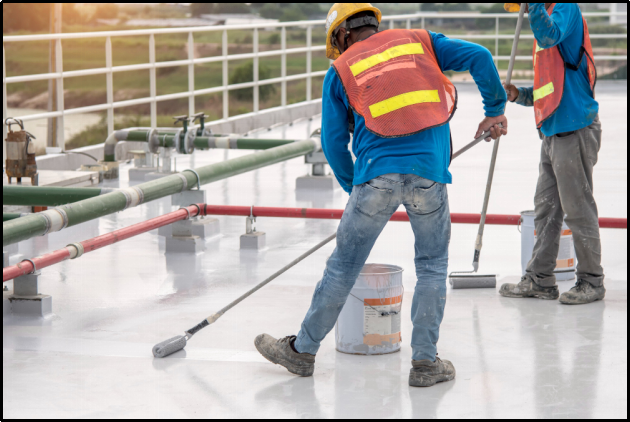
Buildings are designed to last for decades, but their longevity depends heavily on how well they are protected from environmental damage. Among all external threats, water is one of the most destructive forces a structure can face. From slow seepage and damp patches to major leaks and corrosion, moisture-related issues can silently weaken a building over time. This is why waterproofing is not just an optional add-on but a fundamental requirement for ensuring structural durability.
Waterproofing acts as a protective barrier that shields buildings from water ingress, preserving both structural strength and interior quality. Whether it is a new construction or an existing property, effective waterproofing plays a crucial role in maintaining safety, comfort, and long-term value.
Understanding How Water Damages Structures
Water damage does not always appear suddenly. In most cases, it develops gradually, making it harder to detect in its early stages. Moisture seeps through cracks, joints, and porous materials, slowly affecting walls, slabs, foundations, and ceilings.
Over time, this exposure can lead to concrete deterioration, steel reinforcement corrosion, wood rot, and mold growth. These issues compromise the load-bearing capacity of the structure and increase the risk of costly repairs. Without proper waterproofing, even well-designed buildings can suffer premature aging and structural failure.
Waterproofing as a Foundation of Structural Strength
Structural durability depends on keeping core elements dry and intact. Waterproofing systems are designed to prevent water penetration at critical points such as foundations, roofs, basements, wet areas, and external walls.
By creating an impermeable layer, waterproofing protects concrete and steel from moisture exposure. This preservation of materials ensures that the building maintains its original strength and stability over time. Simply put, waterproofing safeguards the skeleton of the structure.
Preventing Costly Repairs and Maintenance
One of the biggest advantages of waterproofing is cost prevention. Repairing water damage is often far more expensive than installing preventive waterproofing measures. Once moisture infiltrates a structure, repairs may involve removing finishes, treating corrosion, and reinforcing weakened elements.
Waterproofing reduces the frequency and severity of maintenance issues. It helps avoid recurring problems such as peeling paint, cracked plaster, damp odors, and mold infestations. Over the building’s lifecycle, this translates into significant savings and fewer disruptions.
Protecting Interior Spaces and Finishes
Structural durability is closely linked to interior condition. When water enters a building, it not only affects the structure but also damages interior finishes, furniture, and electrical systems. Damp walls, stained ceilings, and warped flooring reduce the usability and comfort of a space.
In residential and commercial properties alike, waterproofing ensures that interiors remain dry, healthy, and visually appealing. This protection is especially important in areas exposed to frequent moisture, such as bathrooms, kitchens, balconies, and basements.
Enhancing Health and Indoor Comfort
Moisture-related problems are not limited to physical damage; they also affect indoor air quality. Damp environments encourage mold and mildew growth, which can lead to respiratory issues, allergies, and unpleasant odors.
Effective waterproofing helps maintain a healthy indoor environment by eliminating conditions that support microbial growth. Dry interiors improve comfort, reduce health risks, and contribute to overall well-being for occupants.
Supporting Long-Term Property Value
A structurally sound building retains its value far better than one plagued by moisture issues. Buyers and tenants are increasingly aware of the long-term impact of water damage and often inspect properties for signs of dampness or leaks.
Properties protected by professional waterproofing solutions stand out as well-maintained and reliable investments. Working with the best waterproofing company ensures that the right systems are applied correctly, enhancing durability and strengthening property value over time.
The Role of Expertise in Waterproofing
Waterproofing is a specialized discipline that requires technical knowledge, material expertise, and correct application methods. Poorly executed waterproofing can fail prematurely, leading to recurring problems.
Experienced local waterproofing contractors understand regional climate conditions, soil behavior, and building practices. Their localized expertise allows them to recommend suitable waterproofing systems and apply them effectively, ensuring long-lasting protection rather than temporary fixes.
Waterproofing During Renovation Projects
Renovation is an ideal time to address waterproofing issues. When walls, floors, or ceilings are already exposed, it becomes easier to identify vulnerabilities and apply protective systems correctly.
In any fit out renovation, waterproofing should be treated as a priority rather than an afterthought. Upgrading finishes without resolving moisture issues can result in repeated damage and wasted investment. Integrating waterproofing at this stage ensures that new interiors are protected from future deterioration.
Different Areas That Require Waterproofing
Structural durability depends on comprehensive protection across multiple areas of a building. Foundations require waterproofing to prevent groundwater seepage. Roofs need protective layers to withstand rain and temperature variations. Wet areas such as bathrooms and kitchens must be sealed to prevent leakage into slabs and walls.
External walls, balconies, and basements are also highly vulnerable to water exposure. Addressing each of these zones with the appropriate waterproofing system ensures holistic protection and long-term performance.
Climate and Environmental Considerations
Environmental conditions significantly influence the need for waterproofing. High rainfall, humidity, fluctuating temperatures, and groundwater levels all increase the risk of water damage. Buildings in such environments require robust waterproofing solutions tailored to these challenges.
Proper waterproofing helps structures adapt to environmental stress, reducing the impact of weather-related wear and tear. This adaptability is essential for maintaining durability in changing climate conditions.
A Proactive Approach to Building Longevity
Waterproofing represents a proactive approach to construction and maintenance. Instead of reacting to visible damage, it focuses on prevention. This mindset ensures that buildings remain functional, safe, and comfortable for longer periods.
By protecting critical structural elements from moisture, waterproofing extends the lifespan of buildings and supports sustainable construction practices. It reduces material waste, lowers repair frequency, and contributes to responsible property management.
Conclusion
Waterproofing is essential for structural durability because it protects buildings from one of their most persistent threats—water damage. By preserving structural strength, preventing costly repairs, and maintaining healthy interiors, waterproofing ensures long-term safety and value. It is a vital investment that supports durability, comfort, and sustainability across all types of structures.
When it comes to reliable waterproofing solutions, experience and precision matter. OFIXO delivers advanced waterproofing systems designed to protect structures from moisture-related damage. Their solutions focus on durability, performance, and long-term protection, ensuring buildings remain strong, secure, and resilient in every environment.
