
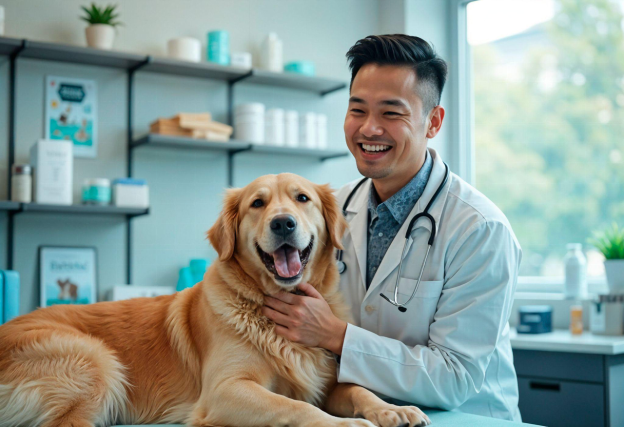
Pets bring endless joy, comfort, and companionship into our lives. As pet parents, we want to make the best decisions to support their health and well-being, especially when medical concerns arise. One of the most important aspects of advanced pet care is veterinary surgery. While the idea of surgery can feel overwhelming, it is often a necessary step to diagnose, treat, and manage health conditions, ultimately helping pets live longer, pain-free lives.
This blog explores the importance of surgical care in veterinary medicine, the different types of procedures pets may need, how surgery supports long-term wellness, and what pet owners can expect before, during, and after the procedure.
Understanding Veterinary Surgery
Veterinary surgery refers to medical procedures performed by trained veterinarians to repair, remove, or treat internal or external health issues in pets. These procedures can range from routine surgeries like spaying or neutering to more advanced operations such as orthopedic repairs or tumour removals.
Surgery doesn’t always mean something serious, sometimes it’s performed to prevent problems rather than fix them. Spaying and neutering, for example, help reduce unwanted behaviours and prevent reproductive diseases.
On the other hand, emergency procedures like repairing internal injuries or addressing life-threatening blockages play a critical role in saving pets’ lives. When surgery is recommended, it’s because it offers the best chance for recovery, comfort, and long-term health.
Types of Veterinary Surgical Procedures
Veterinary surgery involves a wide range of procedures tailored to a pet’s unique medical needs. Some of the most common include:
1. Soft Tissue Surgery
These surgeries involve internal organs, skin, or tissues. Examples include:
● Tumour removal
● Bladder stone removal
● Wound repair
● Gastrointestinal procedures
Soft tissue surgeries are commonly performed to remove masses, address infections, or treat internal injuries.
2. Orthopaedic Surgery
These procedures repair bone, joint, or ligament conditions. They are often recommended when pets suffer:
● Fractures
● Torn ligaments
● Hip dysplasia
Orthopaedic surgery can dramatically improve mobility, reduce pain, and restore activity levels in both dogs and cats.
3. Elective Surgery
These are planned health procedures that support long-term wellness, such as:
● Spaying and neutering
● Dental extractions
● Declawing (less common and sometimes discouraged)
Elective surgeries typically carry lower risks and are done to prevent or correct non-emergency conditions.
4. Emergency Surgery
In life-threatening situations, immediate surgical care is required. Examples include:
● Internal bleeding
● Foreign body removal
● Severe injuries
Emergency surgery can be crucial to stabilise pets and save lives.
Why Veterinary Surgery Matters
Surgery serves several important purposes in veterinary care:
● Pain relief: Many procedures alleviate pain caused by injuries or disease.
● Disease control: Surgery can remove or reduce the spread of infection or cancer.
● Improved mobility: Orthopaedic procedures restore movement and independence.
● Longer lifespan: Timely surgical intervention often extends a pet’s life.
● Better quality of life: Pets can return to regular activity, play, and routine.
While surgery may sound daunting, it is often the most effective, long-term solution for a pet’s health needs.
Preparing Your Pet for Surgery
Before surgery, veterinarians complete a thorough examination. This may include:
● Blood tests
● Diagnostic imaging
● Heart and lung evaluations
These tests help ensure pets are healthy enough for anaesthesia and identify any risks.
Pet owners can help by following pre-surgery instructions carefully, such as fasting guidelines and medication directions. Offering reassurance and calm energy also helps pets feel safe and comfortable.
During the Procedure
Advances in veterinary technology mean surgeries are safer than ever. Veterinarians use modern tools, sterile environments, and constant monitoring to support successful outcomes. Anaesthesia is carefully managed to keep pets comfortable and pain-free.
For major procedures, pets may stay at the veterinary hospital overnight for observation and pain management.
Post-Surgery Care at Home
After surgery, rest and recovery are essential. Pet parents may need to:
● Limit activity
● Administer medications
● Monitor incision sites
● Prevent licking or scratching
● Adjust diet temporarily
Follow-up visits are recommended to ensure healing is progressing well. Recovery time varies depending on the type of surgery, age of the pet, and overall health condition.
During the healing period, offering comfort, affection, and patience helps pets regain strength and confidence.
Veterinary Surgery in Dubai
For pet parents in the UAE, access to advanced veterinary surgery Dubai services ensures pets receive high-quality surgical care when they need it most. Whether it’s a routine procedure, an orthopaedic repair, or an urgent operation, modern veterinary clinics in Dubai provide support through accurate diagnosis, safe surgical techniques, and professional post-operative care.
With a compassionate approach and skilled veterinary teams, pets are given the attention and treatment they need for a healthy and active future.
Final Thoughts
Surgery can be a powerful tool in maintaining a pet’s health and happiness. Whether addressing injury, illness, or preventative care, surgical procedures play a major role in protecting pets throughout their lives. With proper support, preparation, and follow-up care, pets can recover quickly and return to their playful, loving selves.
When surgery becomes part of a pet’s healthcare journey, choosing a clinic that combines expertise, safety, and compassion makes all the difference. Dubai’s veterinary community continues to grow, offering modern surgical care that gives pets the best chance at a strong recovery and a joyful life.
