
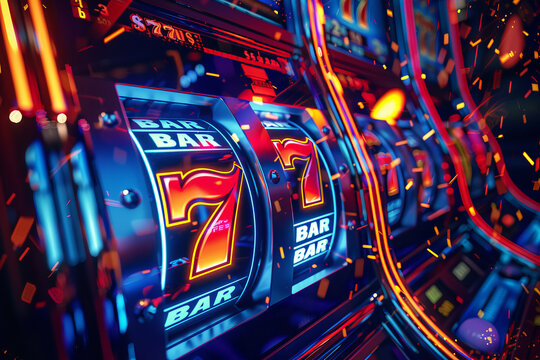
Slot games may look simple on the surface, spin the reels, match symbols, and hope for a win but behind this straightforward appearance lies a powerful mix of psychology, technology, and behavioral design. Modern gacor77 machines, whether found in physical casinos or online gaming platforms, are engineered to capture attention, keep players engaged, and create a sense of excitement that feels almost impossible to walk away from. Understanding the psychology behind slot game design helps reveal why these games are so appealing and how they can influence decision-making, emotions, and behavior.
1. The Power of Visual and Audio Stimulation
One of the strongest psychological tools used in slot games is sensory stimulation. Designers use bright colors, flashing lights, dynamic animations, and immersive sound effects to create a highly stimulating environment.
Colors and Symbols
Colors like red, gold, and neon shades are commonly used because they signal excitement and reward. Symbols such as diamonds, gold bars, bells, and lucky sevens are intentionally chosen to trigger feelings of wealth and good fortune.
Sound Effects
Each spin produces a series of sounds clicks, dings, jingles that mimic the rhythm of anticipation. Winning sounds are louder, longer, and more exciting, regardless of how large the win actually is. Even small wins feel big because of the celebratory audio cues.
Music and Ambience
Background music is carefully selected to maintain energy and prevent boredom. Fast-paced music encourages quicker spins, while calm loops promote longer gameplay sessions. All these elements work together to create a pleasurable, immersive experience.
2. Near-Misses: A Clever Psychological Trick
Slot game designers deliberately include near-miss outcomes results that look extremely close to a win but are actually losses. For example, two matching symbols may line up while the third symbol barely misses the winning position.
Why Near-Misses Work
Psychological studies show that near-misses activate the same part of the brain associated with reward processing. Even though the player loses, the brain responds as if it almost achieved a reward, creating motivation to keep playing.
Illusion of Control
Near-misses give players the feeling that they are improving or getting closer to winning, even though slot results are determined by random number generators (RNG). This illusion keeps players spinning again and again.
3. The Reward Schedule: Random Reinforcement
Slot games rely on a psychological principle known as variable ratio reinforcement, which means rewards come randomly and unpredictably. This is the same reinforcement pattern that makes people addicted to social media notifications or surprise emails.
Unpredictability Drives Engagement
Because the player never knows when the next win will happen, every spin feels like an exciting opportunity. This unpredictability increases dopamine the brain chemical associated with anticipation and reward.
Small Frequent Wins
Many slot machines offer regular small wins to give players a sense of progress. Even if the player is losing money overall, these frequent small payouts make it feel like winning is happening more often than losing.
Occasional Big Wins
Large jackpots or bonus rounds happen rarely, but the possibility of hitting a big win keeps players emotionally invested. This long-term hope is a major factor in extended playtime.
4. The Role of Bonus Rounds and Gamification
To make slot games more engaging, designers use gamification elements like levels, mini-games, challenges, and achievements.
Bonus Games
Bonus rounds interrupt the basic gameplay and add excitement. They offer extra chances to win and engage players with different game mechanics, such as picking items or spinning special bonus wheels.
Progression Systems
Some slots include features like:
- Leveling up
- Earning points
- Unlocking new themes
- Advancing through story-like stages
These systems create a sense of accomplishment and keep players returning to reach the next reward.
Free Spins
Nothing attracts players more than free spins. They offer the thrill of spinning without spending and often lead to bigger wins. The sense of “free reward” stimulates continued engagement even after the free spins end.
5. Personalization and Player Behavior Tracking
Modern online slot platforms use data analytics to personalize gameplay. They observe player behaviors, such as:
- How often they spin
- What themes they prefer
- How long they play
- Whether they prefer high-risk or low-risk games
This information helps developers fine-tune the gaming experience.
Customized Gameplay
For example, if a player tends to quit after long losing streaks, the game may adjust to offer a small win before they leave. While still within legal limits of randomness, the presentation and pacing of rewards can feel personalized and encouraging.
6. Themes and Storytelling Influence Emotion
Slot games often use strong themes Egyptian pyramids, magic, adventure, animals, fantasy worlds to connect emotionally with players.
Why Themes Matter
Humans naturally respond to storytelling and familiar settings. A player who loves mythology may be drawn toward slots inspired by Greek gods, while a movie fan may prefer games based on popular films.
Themes create a deeper emotional connection and make the gameplay feel more meaningful, which increases the time a player spends in the game.
7. The Illusion of Skill
Even though slot outcomes are random, many games are designed to feel skill-based.
How Skill Illusion Works
- Players click buttons to “stop” the reels
- Bonus games require selecting items or making choices
- Some games display “almost-wins” that feel influenced by timing
This illusion makes players believe their choices matter, increasing engagement and confidence.
8. The Role of Dopamine and Emotional Reward
Slot games are engineered to create cycles of anticipation, excitement, and emotional reward. Dopamine levels rise during each spin, especially when players expect a potential win.
Dopamine Loop
The cycle looks like this:
- Anticipation of a win
- Spinning the reels
- Outcome revealed
- Small win or near-miss
- Brain releases dopamine
- Urge to spin again
This loop keeps players chasing the next reward, even when losing.
Conclusion
The psychology behind slot game design is a mix of sensory stimulation, emotional triggers, behavioral reinforcement, and clever design techniques. From near-misses and unpredictable rewards to engaging themes and sound effects, every element is carefully crafted to keep players spinning longer and feeling excited.
