
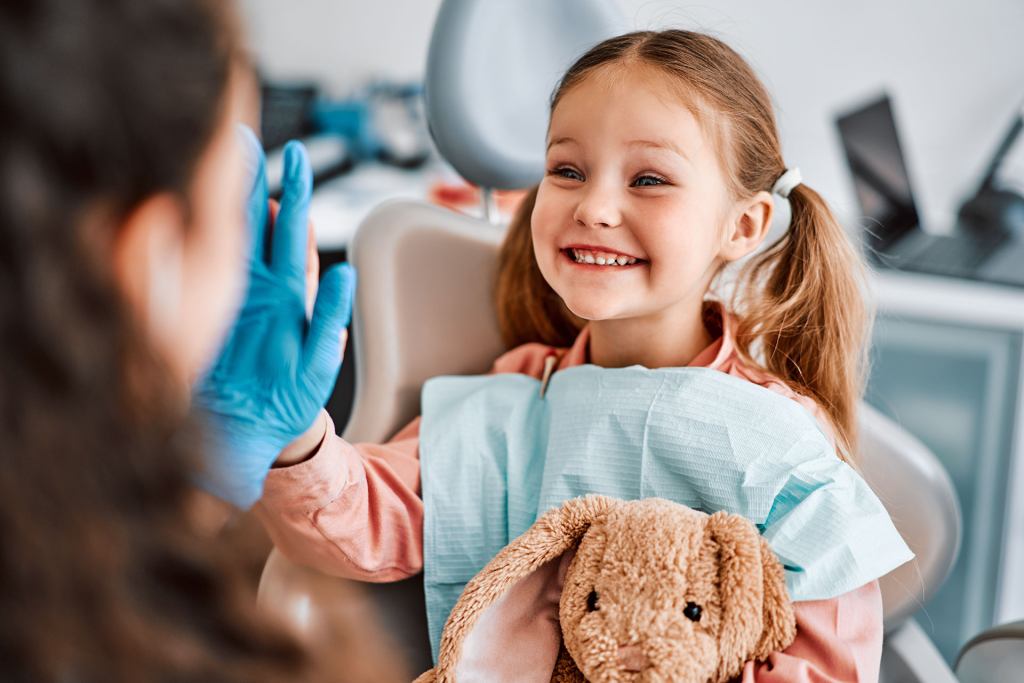
We often think of cavities and gum disease as problems that stay inside our mouths. If a child has a toothache, we treat the tooth. But the reality is far more interconnected. The mouth is the gateway to the body, and the health of a child’s teeth and gums can offer a surprising window into their overall well-being.
The Importance of Early Oral Care
Many parents fall into the trap of thinking baby teeth aren’t permanent, so they aren’t critical. They will fall out eventually, right? While true, primary teeth serve essential functions that go beyond just saving space for adult teeth.
Foundation for Adult Teeth
Primary teeth act as guides for the permanent teeth growing beneath the gums. If baby teeth are lost too early due to decay, the surrounding teeth may drift into the empty space. This can cause the permanent teeth to come in crooked or crowded, leading to extensive orthodontic work later in life.
Speech and Nutrition
Teeth play a vital role in speech development. Children need their teeth to form sounds correctly as they learn to talk. Furthermore, painful or missing teeth can make chewing difficult. This might lead a child to avoid healthy, crunchy foods like fruits and vegetables in favor of softer, often processed options, negatively impacting their nutrition.
How Oral Health Impacts Overall Wellness
The connection between the mouth and the body is profound. Bacteria that build up on teeth don’t always stay there. Here is how oral health issues can ripple outward to affect a child’s general health.
The Inflammation Link
Gum disease is essentially an infection. When a child’s gums are chronically inflamed, it triggers an immune response. While more commonly studied in adults, research suggests that oral inflammation can contribute to systemic issues. The body ends up fighting a constant low-grade battle, which can tax a developing immune system.
School Performance and Focus
Tooth pain is distracting. A child suffering from untreated cavities often struggles to pay attention in class. The Centers for Disease Control and Prevention (CDC) notes that children with poor oral health miss more school and receive lower grades than children with good oral health. It is hard to learn when you are in pain.
Sleep Quality
Dental issues can also disrupt sleep. If a child is grinding their teeth (bruxism) or experiencing pain from decay, they may not be getting the restorative rest they need. Poor sleep affects mood, behavior, and the ability to fight off other illnesses.
Confidence and Social Interaction
A healthy smile is a big part of social interaction. Children with visible decay or bad breath may feel self-conscious, leading to social withdrawal or anxiety. Protecting their smile helps protect their developing self-image.
Practical Tips for Parents to Improve Oral Health
Building good habits doesn’t happen overnight. It requires consistency and a bit of creativity. Here are actionable ways to boost your child’s dental hygiene.
Start Early
You don’t need to wait for the first tooth to appear to start cleaning. Wipe your baby’s gums with a soft, clean cloth after feedings. Once the first tooth erupts, switch to a soft-bristle toothbrush.
Make it a Routine
Brush twice a day for two minutes. This is the golden rule. To make the time pass, play a favorite song or use a brushing app that gamifies the experience. Flossing should begin as soon as two teeth touch.
Watch the Diet
Sugar is the primary enemy of enamel. Limit sugary snacks and drinks, including fruit juices. Water is always the best beverage choice, as it helps rinse away food particles and keeps saliva levels high, which naturally protects teeth.
Visit the Professionals
Regular check-ups are non-negotiable. It is generally recommended to schedule the first dental visit by the child’s first birthday. A childrens’ dentist in South Jordan specializes in the unique needs of developing mouths and can spot issues that a general practitioner might miss. They also help children feel comfortable in the chair, reducing anxiety about future visits.
Common Myths About Children’s Oral Health
Misinformation can lead to preventable dental issues. Let’s debunk a few common myths.
Myth: “Cavities in baby teeth don’t need filling.”
Fact: Decay in baby teeth can spread to the permanent teeth developing underneath. Furthermore, untreated cavities can cause abscesses and serious infections.
Myth: “Kids can brush on their own by age four.”
Fact: Most children don’t have the manual dexterity to brush effectively until they are about seven or eight years old. Parents should supervise and help with brushing until the child can tie their own shoes.
Myth: “Fruit juice is a healthy drink for teeth.”
Fact: While juice has vitamins, it is also highly acidic and loaded with sugar. Frequent sipping bathes the teeth in acid, eroding enamel. Whole fruits are a much better choice.
Conclusion
A healthy mouth supports a healthy body. Prioritizing oral hygiene helps more than just prevent cavities—it boosts nutrition, education, and confidence. Small daily steps like swapping sugary drinks for water, supervising brushing, and regular dental visits are investments in your child’s future. A bright smile reflects a thriving child.
