
Workplace protection has always been a priority across industries, but the expectations of today’s workforce have reshaped what safety gear should look and feel like. Employees no longer want PPE that simply blocks hazards, they want equipment that supports them throughout the day. Comfort, mobility, breathability, and ergonomic design have become just as important as durability and hazard resistance. This shift has pushed safety manufacturers to rethink traditional concepts and introduce more human-centered protection solutions.
The modern workplace is dynamic and fast-evolving. Construction sites operate under extreme conditions, laboratory environments demand precision, and industrial settings require continuous physical movement. These realities have made comfort a core component of effective protection. In this blog, we explore how PPE is being reinvented through advanced materials, ergonomic engineering, environmental considerations, and specialized innovations such as Disposable workwear. The goal is simple: safer workers, fewer incidents, and better performance across industries.
Why Comfort and Protection Must Coexist
In the past, PPE was often rigid, bulky, or restrictive. Workers tolerated discomfort because there were no alternatives. But with global attention on occupational health and safety increasing, companies have recognized that protection is meaningful only when workers willingly wear their gear, use it correctly, and keep it on for the entire shift.
Comfort plays a key role here. When PPE causes irritation, limits movement, or creates heat buildup, workers naturally adjust it or remove it, even if briefly. These moments of exposure can significantly increase the risk of accidents. This is why the reinvention of PPE begins with comfort as a design principle, not an afterthought.
Modern PPE focuses on lightweight structures, breathable fabrics, and ergonomic contours. The design process now considers how a person bends, lifts, climbs, or reaches during a typical workday. This shift has led to gear that feels less like protective equipment and more like a natural extension of workwear.
Material Science: The Driving Force Behind Modern PPE
Every innovation in comfort-focused PPE begins with material science. Traditional fabrics are being replaced with textiles engineered for flexibility, temperature regulation, moisture control, and barrier protection. These materials allow workers to stay cool in high-heat environments, stay dry during intense physical work, and maintain superior mobility throughout the day.
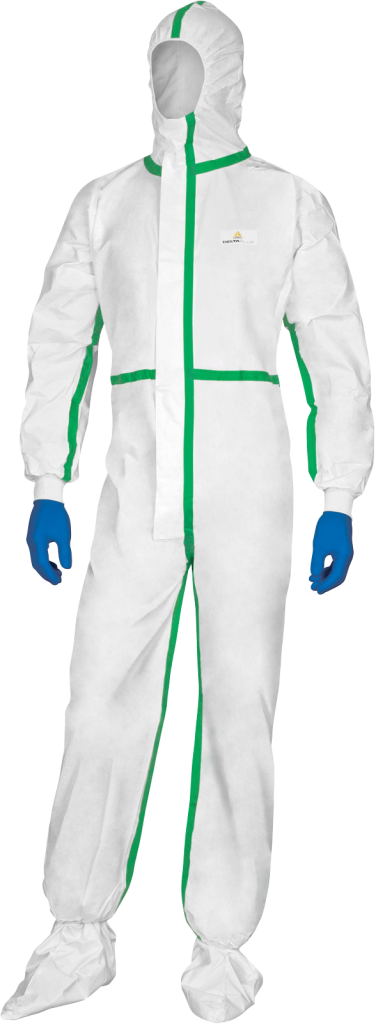
One of the significant advancements in this area is the introduction of Disposable workwear, which has become increasingly popular in industries that require quick, lightweight, and hygienic protection. These garments allow workers to handle sensitive tasks without carrying the weight of traditional suits and without worrying about cross-contamination or maintenance. They have transformed environments like cleanrooms, labs, pharmaceutical plants, and paint workshops by offering both convenience and freedom of movement.
Modern PPE also includes technical fibers that stretch with the body, micro-ventilated layers that reduce heat stress, and coatings that repel harmful substances while maintaining softness. These innovations reflect how comfort is now embedded into the fabric literally of protective gear.
Ergonomics: Designing PPE That Moves With the Worker
The next wave of PPE reinvention comes through ergonomic engineering. Instead of designing equipment to simply resist risks, manufacturers now study how workers use their bodies while performing tasks. Motion studies, 3D body mapping, and biomechanical analysis help identify pressure points, friction zones, and areas of restricted movement.
With this understanding, PPE is shaped to enhance natural motion. Gloves now mirror the natural curvature of fingers, making gripping tools easier and more secure. Helmets are built with improved suspension systems that distribute weight evenly, reducing neck strain. Workwear fits closer to the body while allowing full flexibility, ensuring that workers can climb ladders, crouch under machinery, or stretch to reach overhead fixtures without feeling constricted.
Even in high-risk zones, PPE now manages to balance comfort and safety. Respiratory protection, for example, incorporates softer edges and better airflow systems. Protective footwear comes with cushioned midsoles that absorb impact during long shifts. Every enhancement is a step closer to PPE that supports the worker instead of slowing them down.
Lightweight Protection: A Major Leap Forward
Weight is one of the biggest contributors to worker discomfort. Heavy helmets, thick gloves, and bulky suits can drain physical energy and lead to fatigue long before the shift ends. This is why lightweight engineering has become a major focus in PPE innovation.
Today’s gear leverages high-strength composite materials that maintain durability without adding bulk. Helmets use polymer blends that withstand impact while being significantly lighter. Gloves use thinner but stronger fibers that protect against cuts without limiting dexterity. Even full body protection, including Disposable workwear, is designed to shield workers while keeping them agile and comfortable.
This reduction in weight not only boosts comfort but enhances focus and productivity. Workers can move more naturally and perform tasks with greater precision because their PPE no longer weighs them down.
Clean, Hygienic, and Practical: The Growing Role of Disposable PPE
In several industries, hygiene is as important as physical safety. That is why disposable protective solutions have become essential tools in modern workplaces. The rise of disposable workwear reflects a shift toward quick, easy, and reliable protection that avoids the complications of cleaning, storing, or reusing gear that may carry contaminants.
These products are engineered to be breathable, flexible, and protective against particulates, splashes, and certain chemicals. They are especially suited for industries where workers transition between different zones or work with sensitive equipment. Their lightweight nature makes them comfortable for extended wear, and their hygienic design prevents cross-contamination—an essential factor in pharmaceutical, food processing, and medical environments.
Disposable PPE proves how comfort and protection can coexist in one solution, adapting perfectly to the demands of today’s high-precision work culture.
Conclusion
The reinvention of PPE reflects a simple truth: safety is most effective when it respects the human experience. Today’s workforce deserves protection that fits well, feels comfortable, and adapts to the tough environments they work in. From advanced textile engineering to ergonomic shaping and innovations like Disposable workwear, the future of PPE is built around people, not just hazards.
To explore more thoughtful and advanced PPE solutions, you can visit the Delta Plus website, where comfort-focused designs meet high-performance protection for workers across industries.
